

Unveiling the Art of Window Elegance
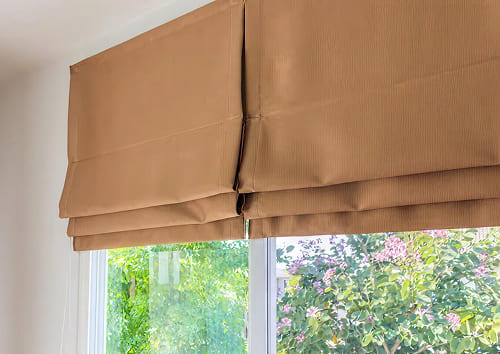
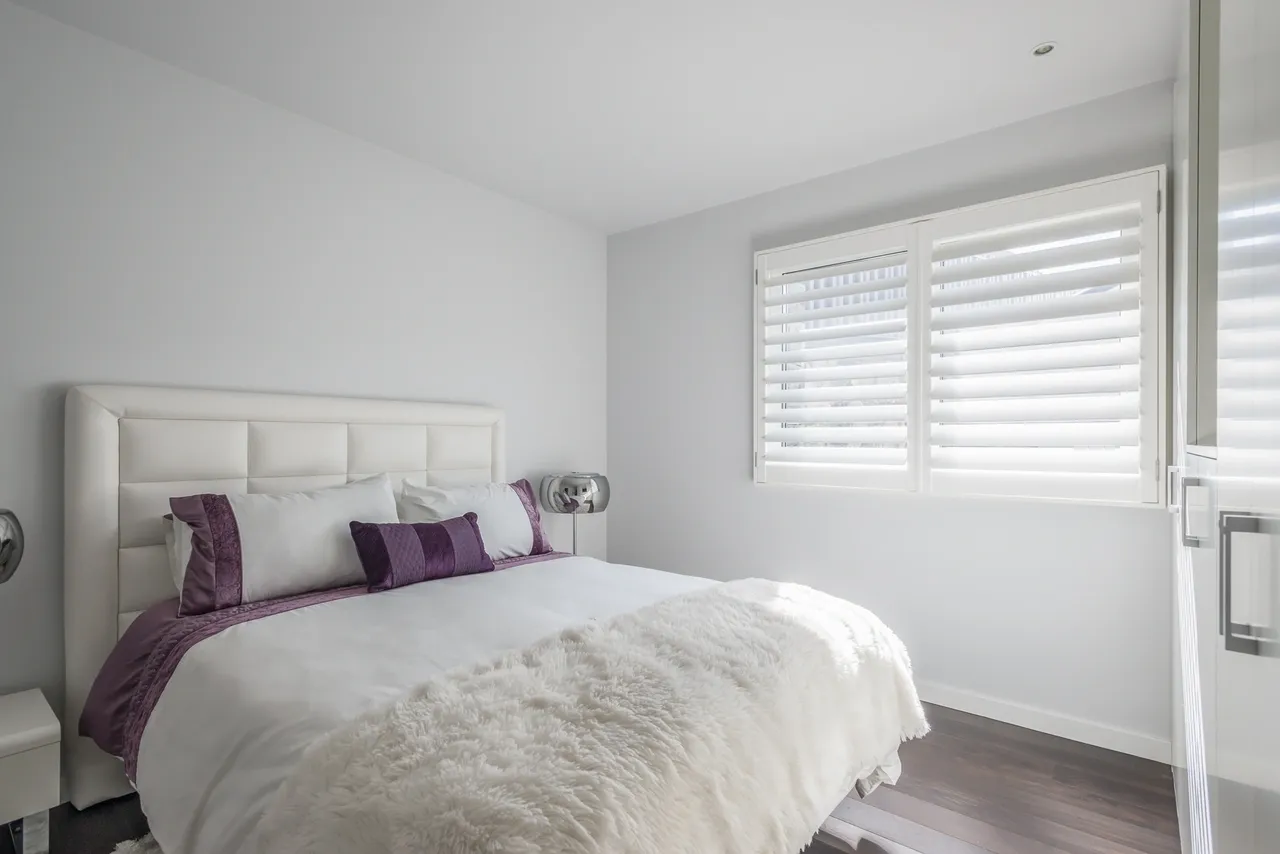
Step into the world of window treatments where aesthetics and practicality merge seamlessly. In this opening section, we explore how both curtains and Roman blinds offer dynamic solutions to elevate any space. Whether you’re updating a cozy home or a bustling commercial area in urban hubs like London or Manchester, these window fixtures not only control light and privacy but also set the tone for your interior design.
Understanding the distinct features of each option will empower you to make informed decisions. Here’s a quick overview of what to expect:
- Versatile Design: Curtains offer an expansive range of fabrics, colors, and patterns, perfect for bespoke decors.
- Sleek Functionality: Roman blinds bring a modern, minimalistic touch with streamlined designs that balance form and function.
- Practical Benefits: Both these options support easy maintenance and enhanced durability, ensuring long-lasting appeal.
In the sections ahead, you’ll learn actionable tips on fabric selection, installation techniques, and complementary design strategies. Dive in to discover how each style can transform your space to meet both your aesthetic vision and functional needs.
Unlocking the Best Option for Your Space
When evaluating window treatments, balancing style, functionality, and cost is essential to achieving a harmonious interior. Both curtains and Roman blinds offer distinctive advantages, each catering to different design philosophies. Curtains exude a timeless elegance with their flowing silhouettes and vast fabric options that suit traditional homes, while Roman blinds impress with a minimal, refined look ideal for modern urban settings.
Key comparisons include:
- Style: Curtains enhance a room with their layered textures and customizable patterns, making them perfect for decorative statements. Roman blinds, on the other hand, provide a streamlined, geometric elegance that complements contemporary design trends in cities like London or Manchester.
- Functionality: Drapes allow for versatile configurations, aiding in insulation and sound absorption. Roman blinds provide precise light control and are simpler to maintain, thanks to their compact design and minimal fabric usage.
- Cost: Investment in curtains varies by fabric quality and design complexity, while Roman blinds typically offer a cost-effective solution without sacrificing performance.
By weighing these factors, you can select the ideal solution tailored to your local décor needs and lifestyle requirements.
Step-by-Step Guide to Choosing the Right Window Treatments
Begin your journey in selecting between curtains and Roman blinds by focusing on your home’s specific needs. This guide offers a clear, sequential process to help you decide which option fits your interior design and functionality requirements.
- Assess Your Space:
Measure the window dimensions and consider architectural features. Determine if you need additional insulation or light control. For instance, traditional homes in urban areas might benefit from the classic elegance of curtains, while contemporary settings lean toward the streamlined look of Roman blinds. - Define Your Style and Function:
- For a soft, layered aesthetic, opt for curtains that introduce texture and warmth.
- If a minimalist, modern appearance is desired, Roman blinds can offer a clean, integrated finish.
- Evaluate Practical Considerations:
Note aspects such as ease of cleaning, durability, and local climate needs. Consider fabric maintenance requirements, as well as installation complexity. - Plan and Execute:
Finalize your measurements, select materials, and prepare for a hassle-free installation. Following these actionable steps ensures a tailored look that enhances both comfort and style in your home.
Top 5 Considerations: Weighing Curtains vs Roman Blinds
Choosing between curtains and Roman blinds involves a careful balance of aesthetics, maintenance, and customization. Here are the top five trade-offs to consider:
- Visual Impact & Customization
Both options offer unique style statements. Curtains provide a plush, dynamic feel with opportunities for creative fabric choices, while Roman blinds deliver a sleek, modern look. Customize with patterns or colors that complement local interiors to reflect your personal style. - Maintenance Ease
Curtains, especially those made of heavy fabrics, can require more frequent cleaning, whereas Roman blinds are typically simpler to dust and maintain. Evaluate lifestyle and upkeep routines to choose the option that fits your schedule. - Light Control Efficiency
Curtains often allow for adjustable layering and can better diffuse sunlight, while Roman blinds offer precision in directing light. Assess your space needs based on ambient lighting requirements. - Installation Flexibility
Both options offer straightforward installation, yet curtains might require additional hardware. Consider the architectural features and size of your window space for a perfect fit. - Durability & Longevity
Roman blinds are known for their robust build, while high-quality curtains can offer longevity with proper care. Weigh materials and environmental factors, such as humid conditions in urban areas, to decide which solution best meets your practical and stylistic needs.
What distinguishes curtains from Roman blinds?
Curtains typically offer a softer, layered look, while Roman blinds provide a sleek, minimal design. Curtains can be fully drawn aside for an open view or closed to filter light, giving you flexible control over ambience.
How do I choose the best option for my space?
Consider factors such as room style, lighting requirements, and maintenance preferences. Curtains are perfect for a classic, textured feel, whereas Roman blinds work well in modern settings where clean lines are desired. For spaces in urban settings or local residences, the decision can also be influenced by regional design trends.
Are curtains easier to maintain than Roman blinds?
Maintenance varies by material. Curtains often require occasional vacuuming or spot cleaning, while Roman blinds, with their fabric slats, might need more detailed dusting. Evaluate your lifestyle and cleaning routine before making a decision.
Can both be customized to suit specific needs?
Absolutely. Customization lets you choose fabrics, colors, and sizes that fit not only aesthetically but also meet practical needs such as insulation and light control.
What practical steps help in deciding between them?
Consider measurements, design compatibility with existing décor, lighting control, and ease of cleaning when making your selection.
Final Thoughts on Informed Home Decisions
As you wrap up your exploration of window treatments, take a moment to reflect on the key factors that influence whether curtains or roman blinds are the best choice for your home. Both options offer distinct advantages in aesthetics, functionality, and customization. Consider the specific conditions of your living space—such as natural light, privacy needs, and decor style—to determine which solution aligns best with your lifestyle.
Remember these actionable steps:
- Review Practical Needs: Assess light control, energy efficiency, and ease of maintenance.
- Consider Aesthetics: Evaluate how each option complements your interior design and architectural features.
- Plan for the Future: Think about long-term durability and possible design updates in your home.
By weighing these considerations, you can confidently select a window treatment that not only enhances your home’s visual appeal but also provides lasting functionality. Take the next step today by measuring your spaces and exploring fabric textures available locally. Your well-informed decision will serve as the foundation for creating a cozy and stylish living environment.